Global Growth Slows as Oil Shock Fuels Inflation Fears
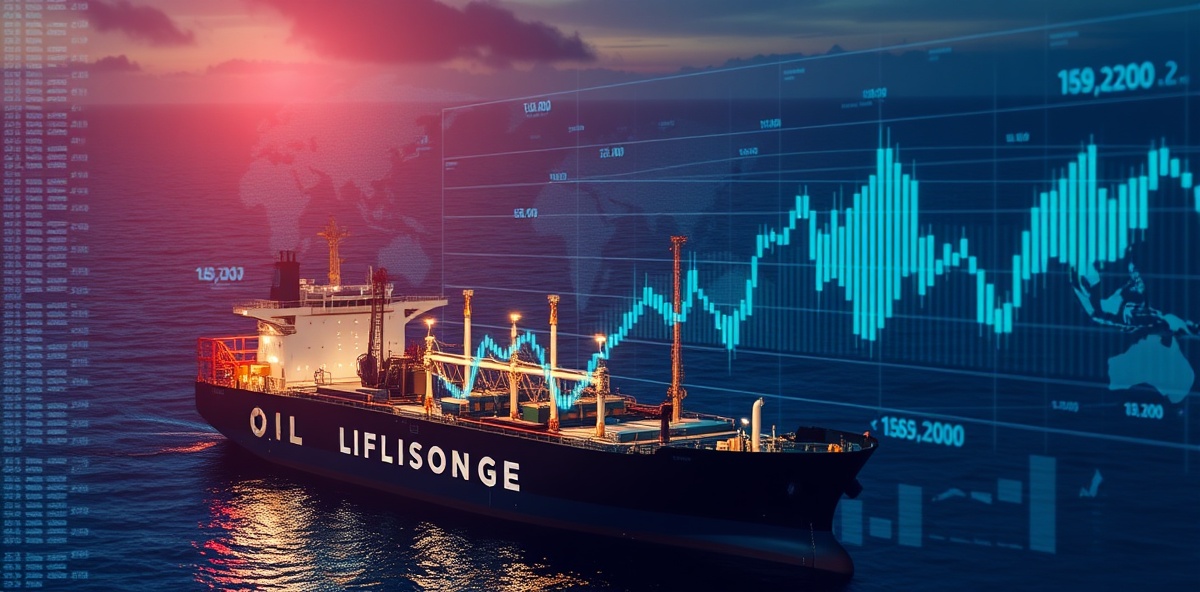
Global economic growth is expected to slow in 2026 as rising energy costs and geopolitical tensions place renewed pressure on inflation and financial markets, according to recent assessments from international institutions and economists.
Global Growth Slows as Oil Shock Fuels Inflation Fears
Global economic growth is expected to slow in 2026 as rising energy costs and geopolitical tensions place renewed pressure on inflation and financial markets, according to recent assessments from international institutions and economists.
IMF Revises Growth Outlook
The International Monetary Fund has revised its global growth outlook to approximately 3.1% for the year, warning that a prolonged period of instability—particularly linked to disruptions in energy supply—could push growth significantly lower. In more adverse scenarios, economists say global expansion could fall closer to 2.5%, a level often associated with recessionary conditions.
This represents a downgrade from earlier forecasts and reflects growing concerns about the sustainability of current economic momentum across major economies worldwide.
Energy Supply Crisis
At the center of the economic strain is the sharp increase in oil prices following disruptions in key supply routes. Tensions in the Middle East, including instability affecting the Strait of Hormuz, have raised concerns over the reliability of global energy flows. The waterway is a critical corridor for oil shipments, and even partial disruption has led to higher transportation and insurance costs for suppliers.
The magnitude of these increases underscores how quickly geopolitical events can reverberate through global commodity markets and ultimately affect consumer and business spending.
Inflation Pressure Mounting
The surge in energy prices is already feeding into broader inflation. Analysts note that rising fuel and logistics costs are being passed through to consumers, placing upward pressure on goods and services across multiple sectors. Recent data from the United States indicated one of the largest monthly increases in consumer prices in several years, highlighting the immediate impact of energy-driven inflation.
Key sectors experiencing inflationary pressure include:
- Transportation and logistics
- Manufacturing and production
- Food and agriculture
- Utilities and energy costs
- Retail goods and services
Central Bank Policy Dilemma
Central banks now face a more complex policy environment. While some had anticipated easing monetary conditions to support growth, persistent inflationary pressure may limit their ability to cut interest rates. In some cases, policymakers have indicated that further tightening could be required if price increases continue at an elevated pace.
The Federal Reserve, European Central Bank, and other major central banks are carefully balancing the competing objectives of supporting economic growth while maintaining price stability.
Financial Market Response
Financial markets have responded cautiously, with volatility increasing as investors weigh the risk of prolonged supply disruptions against weakening economic momentum. Currency markets have also shown signs of strain, reflecting uncertainty around trade flows and capital movement.
Major equity indices have experienced increased oscillations, with traditional safe-haven assets attracting increased investment demand. Commodity markets remain elevated amid ongoing concerns about energy availability.
Stagflation Risk
Economists warn that the combination of slower growth and rising inflation—often described as stagflation—poses a significant challenge for policymakers. Managing this balance will likely remain a key focus for governments and central banks in the months ahead.
Stagflation, characterized by simultaneous economic stagnation and inflationary pressures, is particularly difficult for monetary policymakers because measures to combat inflation can suppress growth, while stimulus measures can fuel inflation.
Economic Vulnerability and Supply Chains
The current situation underscores the vulnerability of the global economy to geopolitical shocks, particularly those affecting energy supply chains. With oil remaining a foundational input for transportation, manufacturing, and power generation, disruptions in supply can quickly ripple across economies.
Key vulnerabilities include:
- Dependence on Middle Eastern energy supplies
- Limited strategic petroleum reserves in many countries
- Interconnected global supply chains
- Limited alternative energy infrastructure at scale
Outlook and Implications
Looking ahead, the pace of economic growth, inflation trends, and geopolitical developments in key energy-producing regions will be critical determinants of financial market performance and policy decisions.
Corporate earnings could come under pressure if companies are unable to pass all cost increases to consumers. Consumer spending patterns may shift as households adjust to higher energy and transportation costs.
Further updates are expected as economic data and geopolitical developments continue to evolve.
This article is based on assessments from the International Monetary Fund, major central banks, and economic analysis from leading financial institutions. Aria’s World maintains editorial independence and will continue to monitor economic developments and provide updates as new data becomes available.
Related Articles
IMF Warns Global Economy Under Pressure as Energy Shock Intensifies
The global economic outlook is weakening as rising energy costs and geopolitical tensions place renewed pressure on growth and inflation, according to recent assessments from the International Monetary Fund.
Global Markets React to New Trade Agreements
International markets surge as nations finalize historic trade deals aimed at boosting economic growth and reducing tariffs.